The Supercritical Water Pilot Reactor (SCWR) represents a major leap forward in sustainable environmental remediation technology. Operating above water’s critical point—374°C and 3,200 psi—this system transforms ordinary water into a unique reaction medium with both gas-like diffusivity and liquid-like solvating power. In this supercritical state, organic pollutants such as hydrocarbons, pesticides, PFAS, and industrial solvents become fully miscible with water, enabling near-complete oxidation or conversion into benign products like carbon dioxide, water, and inorganic salts. This makes the SCWR an extraordinarily powerful tool for breaking down persistent organic contaminants that conventional wastewater or soil treatment methods cannot fully eliminate.
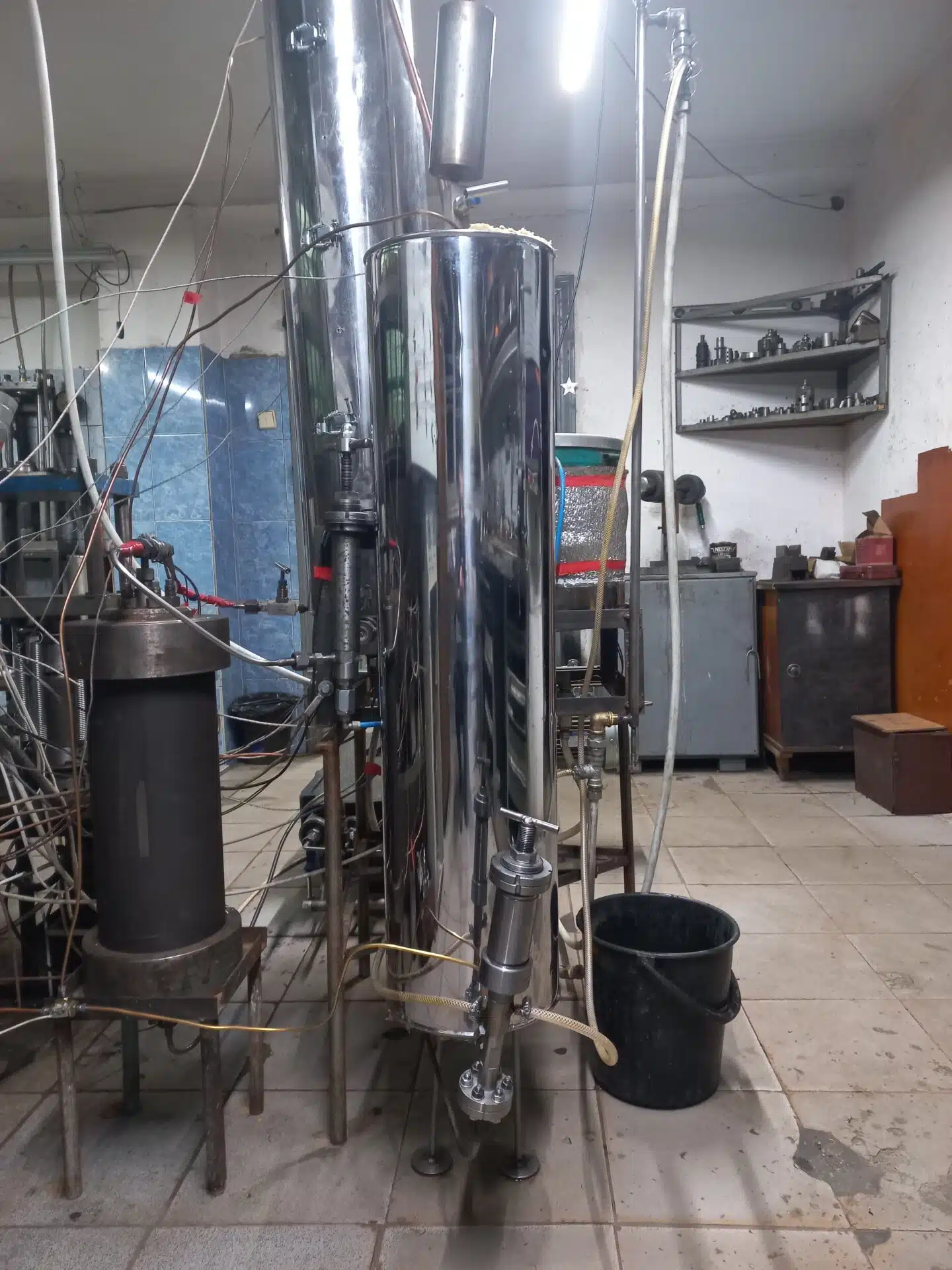
Applied Extracts’ Supercritical Water Pilot Reactor is engineered for flexibility, safety, and scalability, allowing researchers and process developers to evaluate the full potential of supercritical oxidation in real-world conditions. The system features precision temperature and pressure controls, corrosion-resistant alloys, and automated safety interlocks, ensuring reliable operation even under extreme conditions. Its modular skid-mounted design allows for easy integration into existing R&D or industrial setups, making it an ideal bridge between laboratory experimentation and full-scale remediation systems. Typical throughput ranges from 1 to 10 liters per hour, sufficient for pilot demonstrations and process optimization studies.
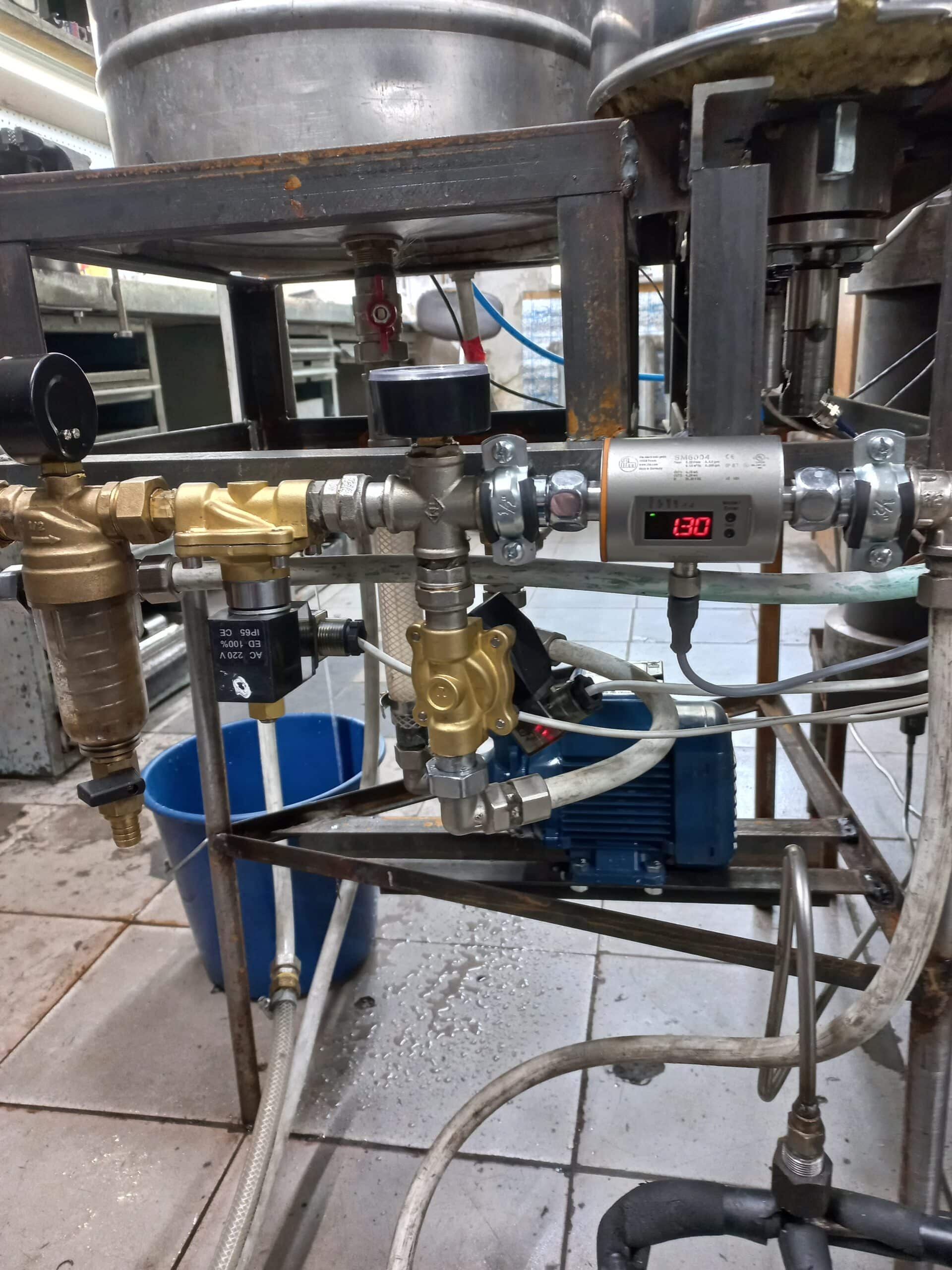
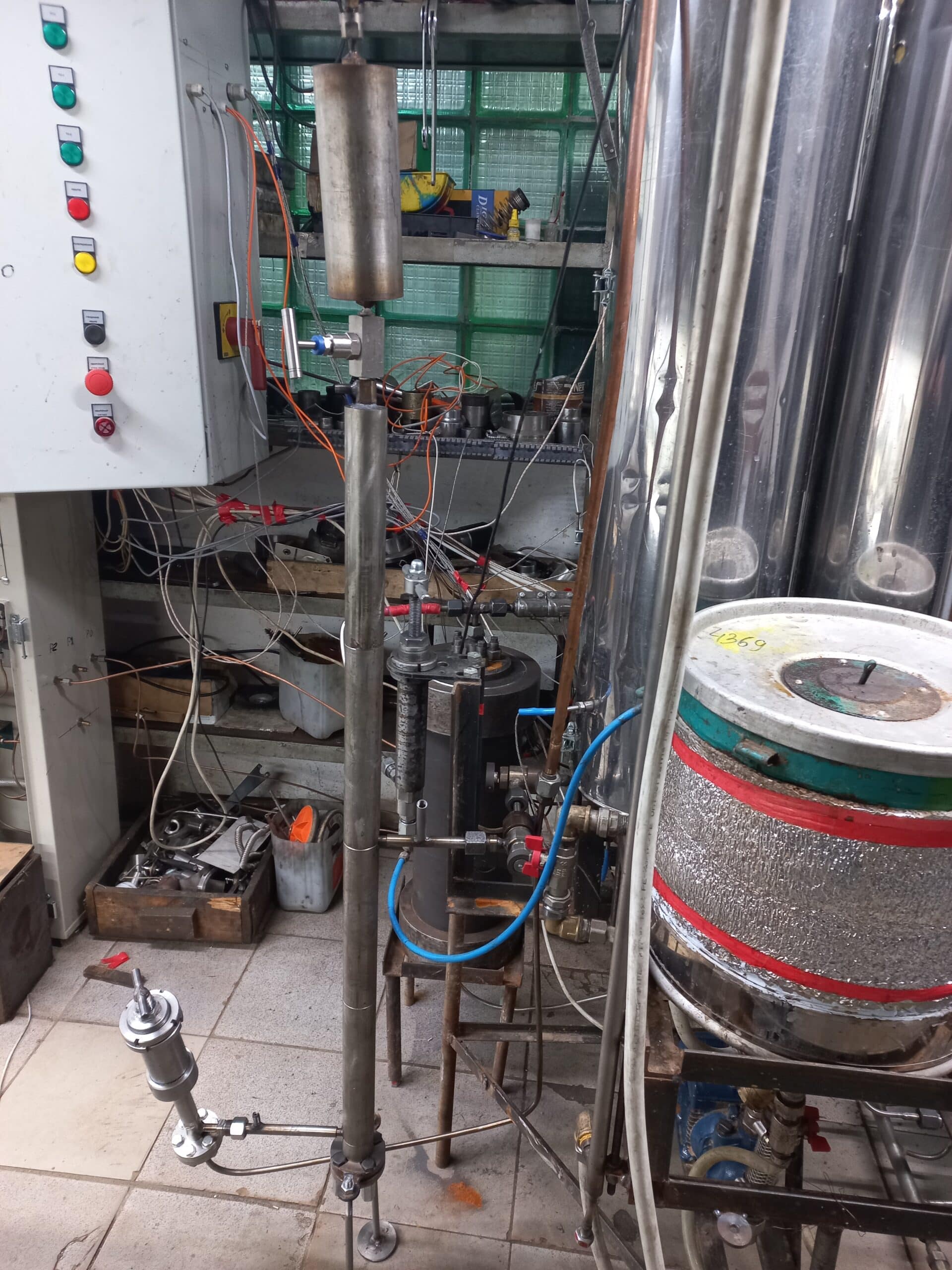
One of the key advantages of supercritical water oxidation (SCWO) lies in its near-zero emissions and self-sustaining energy balance. Once initiated, many waste streams contain enough chemical energy to maintain the reactor’s supercritical conditions with minimal external heat input, dramatically reducing operating costs. Unlike incineration or chemical treatment, SCWO produces no harmful byproducts such as dioxins, furans, or NOx gases. The process converts complex waste streams—including industrial sludge, pharmaceutical residues, and difficult organic residues—into simple, environmentally safe compounds, effectively closing the loop on hazardous waste disposal.
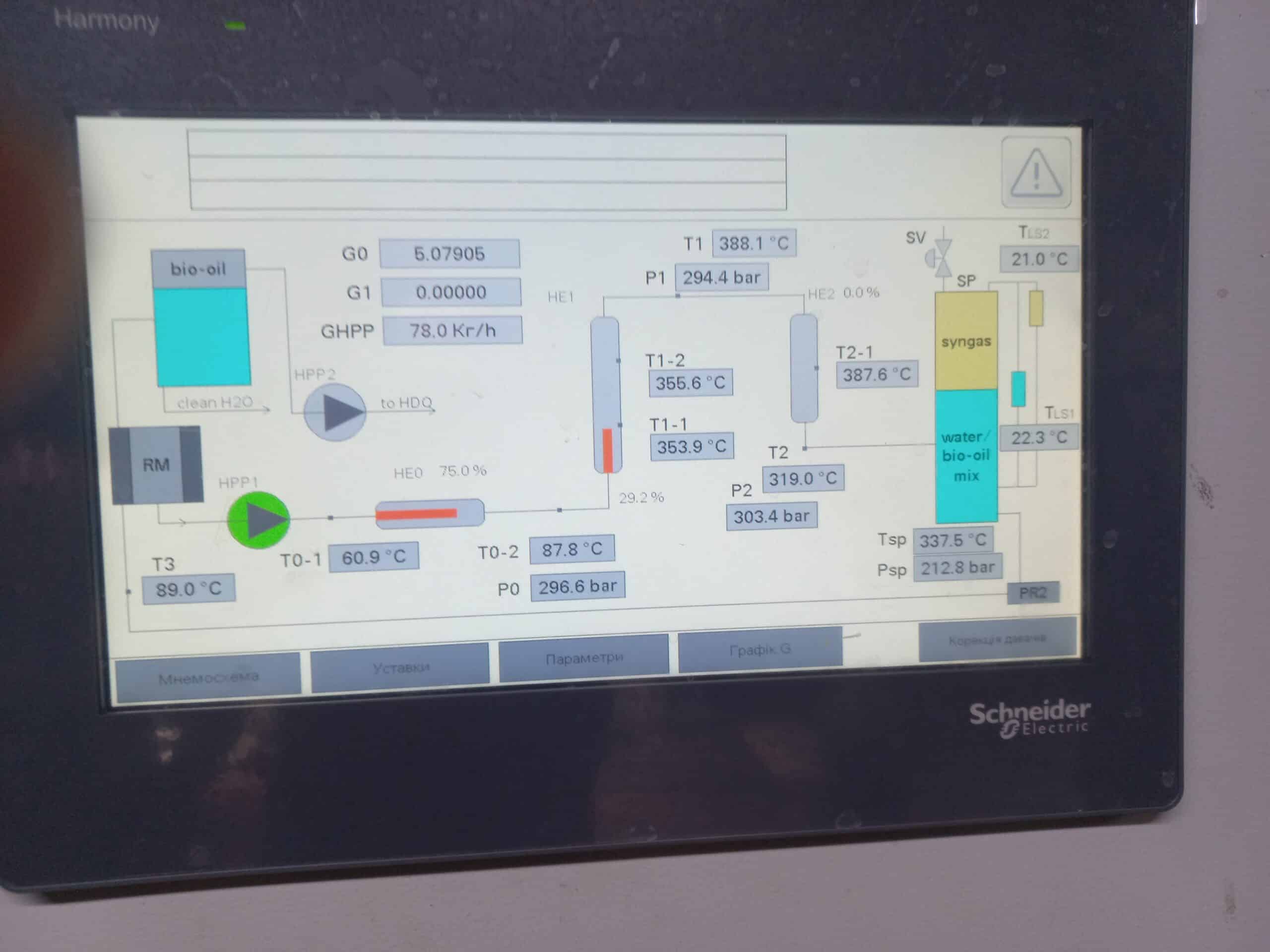
Along with our European development partners, we built a 5 kg/hr supercritical water test reactor. The operating parameters of this continuous-flow reactor were as follows:
Up to 400C operating temperature
Up to 4500 psi operating pressure
Up to 5 kg/hr flowrate
Electrical (3 phase) heating
Separator to separate produced gases (syngas) from produced bio-oil.
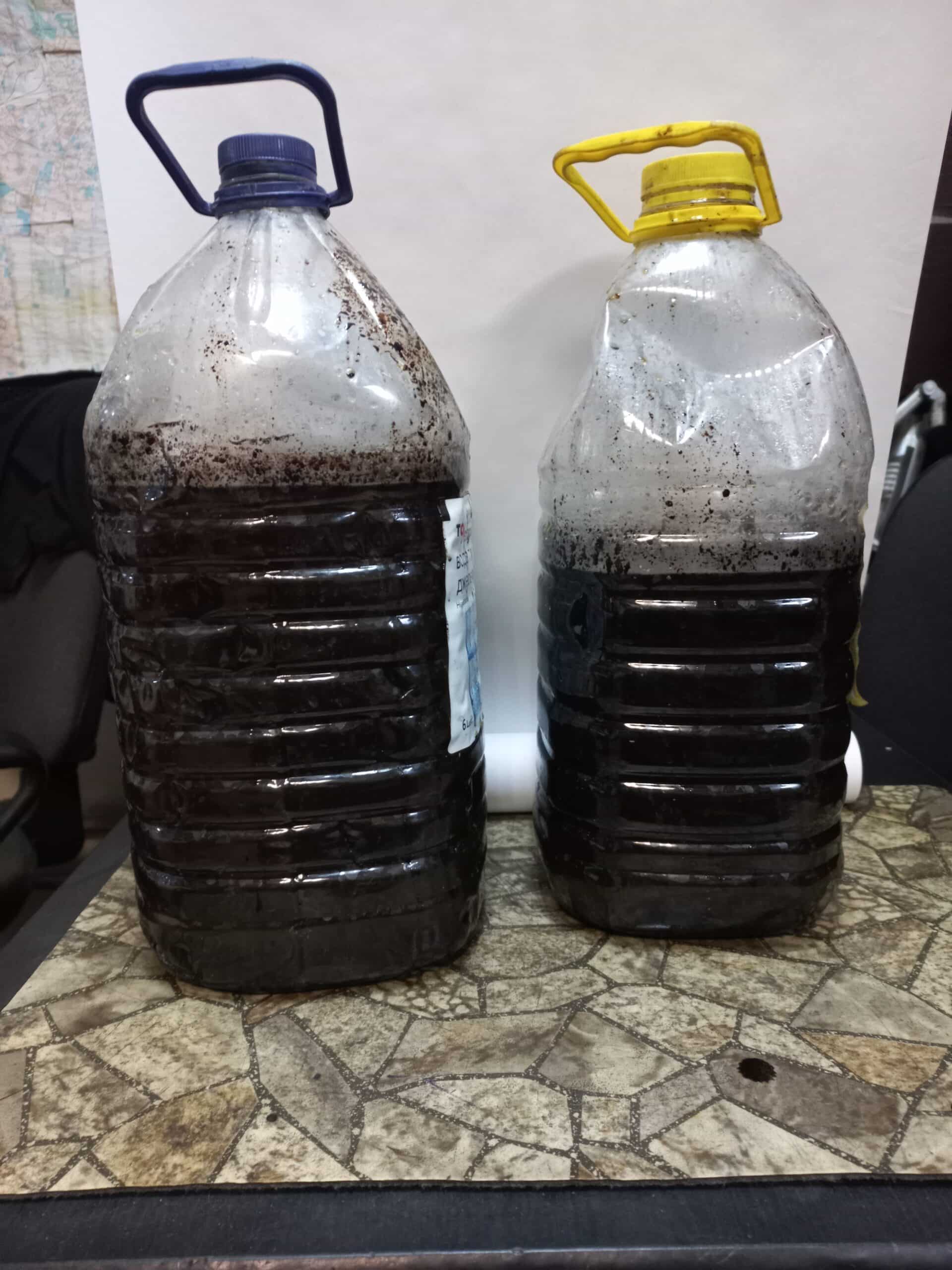
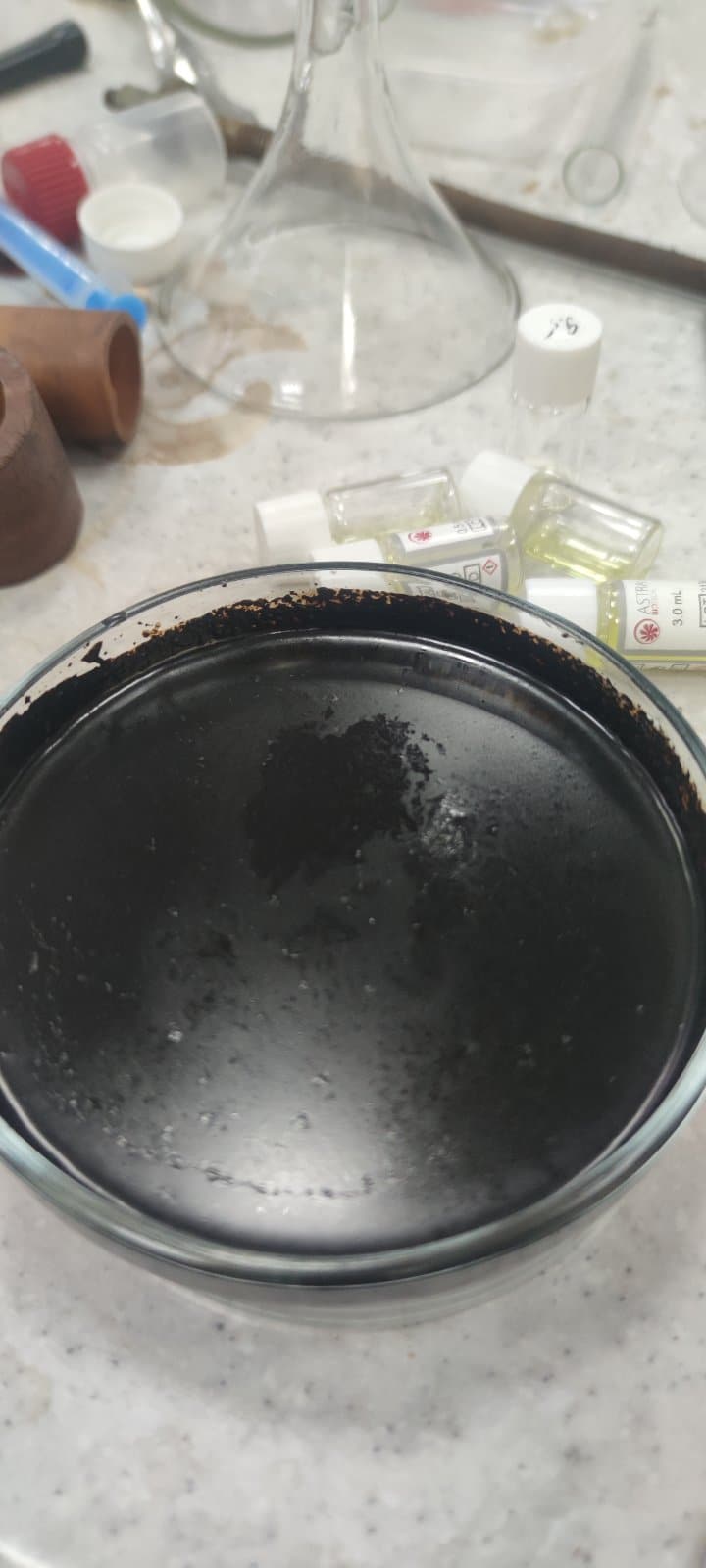
The reactor was tested using wet sewage sludge and other wet organic feedstocks. The final output of the machine was a continuous stream of hydrogen-rich syngas and bio-oil. These products can be used as inputs to downstream chemical processes for the production of synthetic aviation fuel (SAF) and other green hydrocarbon products.
Contact us to learn more and discuss your project in detail.